cross-brand merge design lead for Netrivals
May 2023 → June 2024
BtoB Saas
collab. Product Designer, Engeneering team, Product Marketing
Context
As part of the product strategy, our team needed to unify the visual identity of two SaaS products: Product A, Netrivals, the core platform, and Product B, Lengow, a recently acquired solution with a stronger and more modern brand presence.
The goal was to produce a consistent cross-product experience while maintaining usability and accessibility for both established user base.
Key challenges
The objective was to merge Product B’s visual identity into Product A in a way that felt coherent, scalable, and user-centric - taking the opportunity to improve existing user workflows.
This initiative required both strategic UX thinking and hands-on design supervision, because it affected the full interface: typography, color palettes, components, navigation patterns, and interaction behavior.
Responsibilities
Although I did not produce the UI mockups personally, I led the design merge as the product manager responsible for the strategic direction and cross-team coordination. My responsibilities included:
- Design leadership: I guided the product designer through the merge process, clarified UX direction, and ensured alignment with product strategy.
- UX coherence oversight: I ensured that UI updates preserved or improved usability, accessibility, and clarity across key user journeys.
- Design system harmonization: I supervised the adaptation of Product B’s brand language to Product A’s component set and identified gaps requiring new shared patterns.
- Stakeholder alignment: Facilitated trade-offs between design, engineering, and brand to balance feasibility, aesthetics, and user impact.
- Implementation quality control: Reviewed development output, validated component behavior, spacing rules, and interaction consistency during rollout.
Main stakes
Key stakes we addressed included:
- Reconciling differing design philosophies and priorities into a single coherent system.
- Preserving familiarity and discoverability for existing Product A users while introducing new visual language.
- Ensuring visual changes preserve mission-critical workflows.
- Working within the technical constraints of a legacy interface while introducing modern patterns.
- Aligning multiple teams and stakeholders around a shared vision and timeline.
- Using the opportunity of design refining to solve ongoing issues of the roadmap
Process
While the product designer executed the visual deliverables, my role ensured the merge was guided by strong UX principles, consistent design logic, and a clear product vision.
I organized the project around a collaborative, iterative workflow that balanced strategy and execution:
- Audit & gap analysis: I conducted a review of Netrivals existing UI to identify where Lengow brand could be meaningfully applied without disrupting UX patterns.
- Design direction & priorities: I translated strategic goals into clear guidance for the product designer, including constraints, component priorities, and desired outcomes.
- Collaborative design iterations: I partnered with the designer to challenge assumptions, test interactions, and refine the visual direction through rapid feedback loops.
- Design system mapping: I mapped both products’ components into a single shared structure to ensure consistency across screens and future developments.
- Cross-team reviews: I ran alignment sessions with engineering and brand teams to validate feasibility, accessibility, and fidelity of the proposed changes.
- Implementation supervision: I performed UI/UX QA during development, checking component behavior, spacing, accessibility attributes, and interaction states to ensure the final build matched the intended design principles.
The project strengthened the product’s identity and set the foundation for ongoing UX/UI improvements.
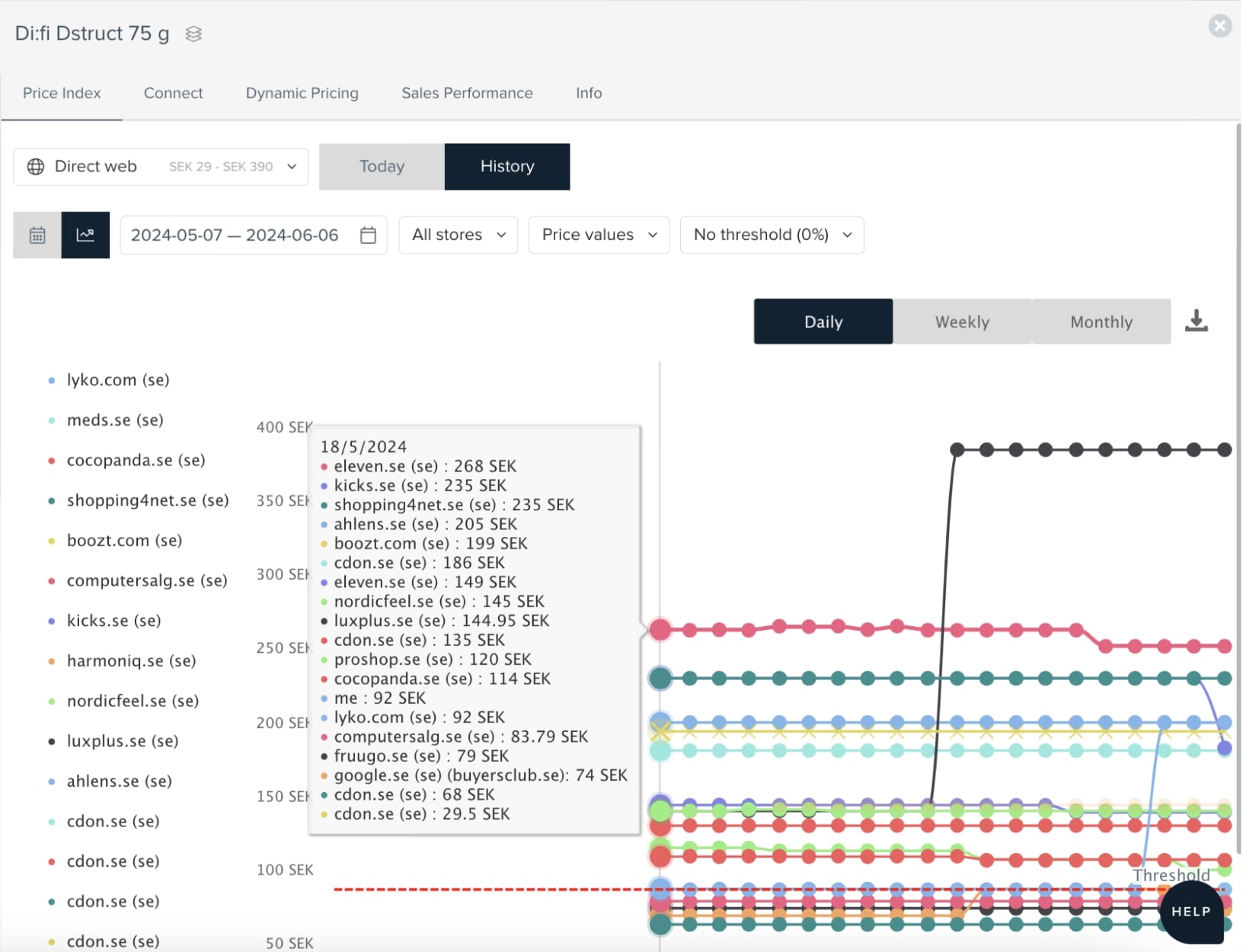
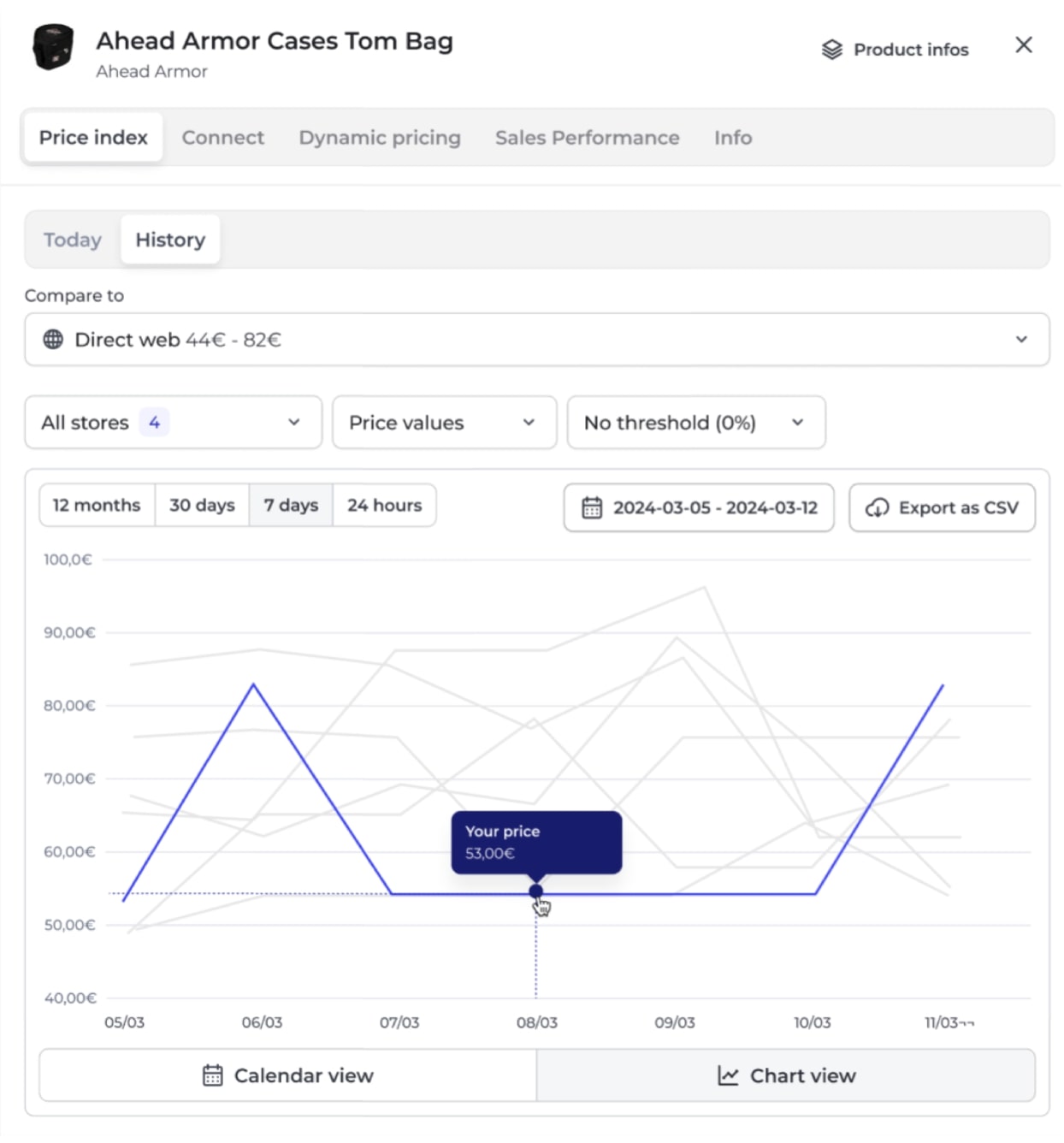
In the example below, the initial chart (before refinement) was difficult for users to read. They reported issues with both navigation and data visualization. After several collaborative sessions with the Product Designer, we arrived at a redesigned chart (second image) that is much easier to navigate and understand.
Outcome
The merge resulted in several tangible benefits for the product and the organization:
- Unified brand experience: A consistent visual identity across the platform that reduced cognitive load and improved brand recognition.
- Improved interface coherence: Cleaner visual hierarchy and more predictable component behavior across workflows.
- Scalable design system foundation: A shared set of patterns that makes future UI updates faster and less error-prone.
- Smoother cross-team collaboration: Clearer processes and alignment between product, design, and engineering for future initiatives.
- Modernized UI without disruption: Visual upgrades were introduced in a way that preserved core user flows and minimized friction.
What I've learned
Leading this cross-brand merge reinforced several lessons about UX process and design leadership:
- Design leadership is about enabling designers through a clear vision
- Bridging strategy and execution requires structured collaboration: audits, clear priorities, and frequent cross-functional check-ins.
- Balancing visual innovation with user familiarity is essential to maintain trust and minimize friction.
- Translating brand decisions into concrete UX patterns helps teams make defensible choices during development.
- Close collaboration between product, design, and engineering accelerates delivery while keeping quality high.
Note: visual assets and mockups for this project were produced by the product designer. This case study focuses on my strategic and operational role in guiding the UX/UI merge, aligning stakeholders, and ensuring high-fidelity implementation.