establishing the Product function for Netrivals
May 2023 → June 2024
BtoB Saas
collab. Product Designer, Engeneering team, Product Marketing
Context
Netrivals is a Spanish price intelligence software which leverages the power of data to enable e-commerce businesses to stay competitive in real time, based on a predefined pricing strategy.
In 2022, Netrivals was acquired by Lengow, an automation platform that helps businesses to manage their product catalogs distribution across multiple sales channels.
As part of the merger and acquisition, it became necessary to implement a true product culture and to structure the organization.
I got hired to implement the Product function within the organization
Challenges
Establishing the Product function at Netrivals was particularly challenging due to the absence of structured product governance.
The organization operated in a highly reactive mode, with:
- No centralized feedback system
- Unclear decision-making processes
- Direct, unfiltered communication between Customer Success and engineering teams
This resulted in frequent interruptions, misaligned priorities, unprofitable technical decisions, and growing technical debt.
Additionally, the high variability of client needs across industries, combined with inconsistent feature behavior and fragmented qualitative and quantitative data, made prioritization difficult and often subjective.
Implementing a product culture required not only new tools and processes, but also a deep organizational shift to align business value, customer needs, and technical feasibility within a fast-moving B2B SaaS environment.
Process
The implementation of the Product function followed a structured, step-by-step approach:
- Internal and external preliminary investigation to understand organizational dynamics, decision-making processes, and client needs
- Identification of key improvement areas, including information flow, feedback management, and product governance
- Audit and alignment of management tools across entities, leading to the deployment of a centralized product platform and shared roadmap
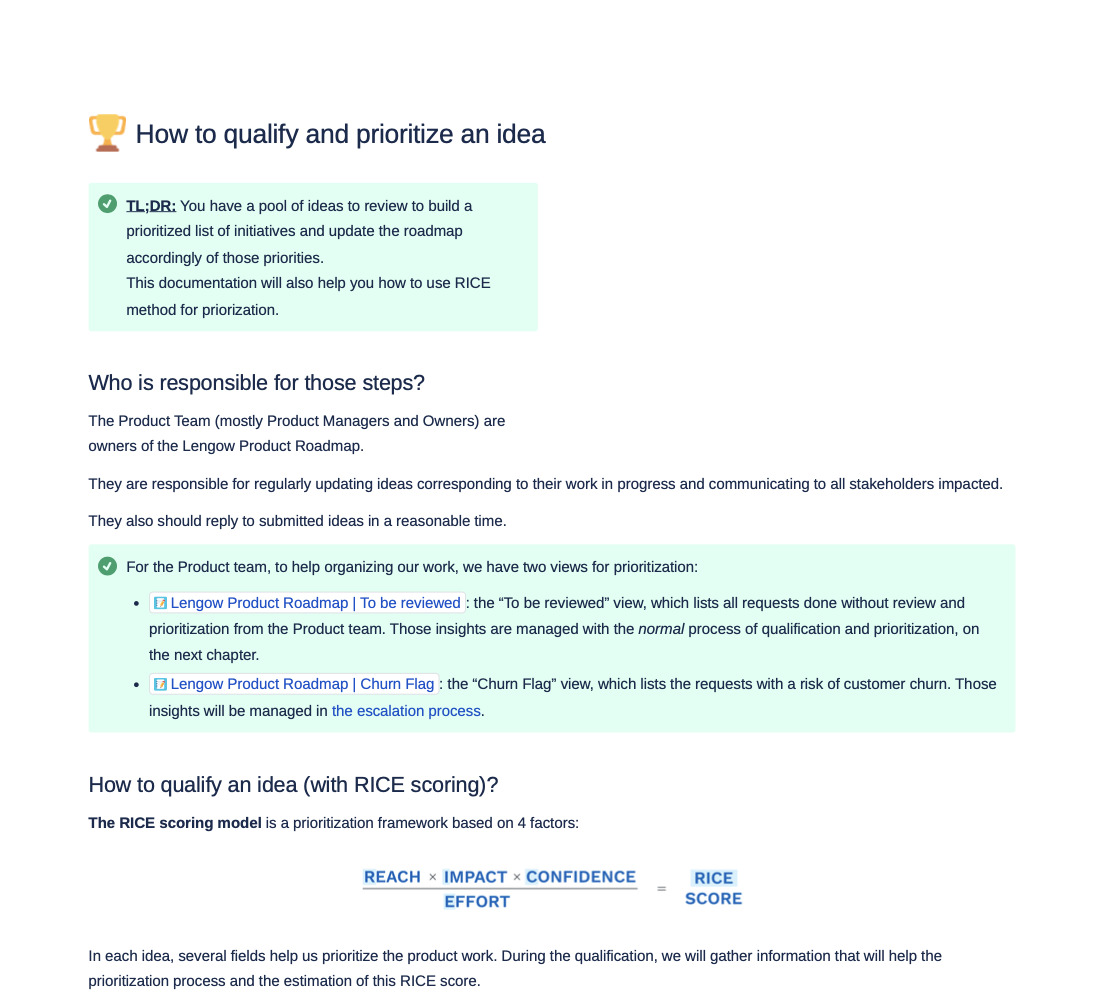
- Establishment of structured prioritization, using objective frameworks to align product decisions with business impact
- Creation of a centralized data foundation, aggregating quantitative insights to inform product strategy and roadmap decisions
- Implementation of a scalable, Agile-inspired development process, improving collaboration, transparency, and execution
- Deployment of documentation and knowledge management practices, ensuring long-term scalability and efficient onboarding
- Introduction of a cross-functional communication framework, fostering continuous alignment between Product, Engineering, Customer Success, Sales, and leadership
Preliminary investigations
In order to understand the organization, its internal dynamics, and the product challenges at hand, I conducted a series of interviews and investigations across the organization — internally with CSMs, developers, sales representatives, and top management; externally with clients from different industries.
I conducted interviews among CSMs and technical teams in order to answer the following questions:
- What is the current organisation?
- How are teams working together?
- How are decisions made?
- How effectively are they applied?
- Do those actions add value to business?
- Do those actions make lose money to business?
Audit preliminary results allow to identify the following painpoints:
- Absence of process and tools for gathering and following feedbacks
- No defined communication layer between Customer Success Managers (CSMs) and the technical teams
- Technical decisions lacking business informations
The current organisation revealed a lack of visibility into business priorities and limited structured product governance.
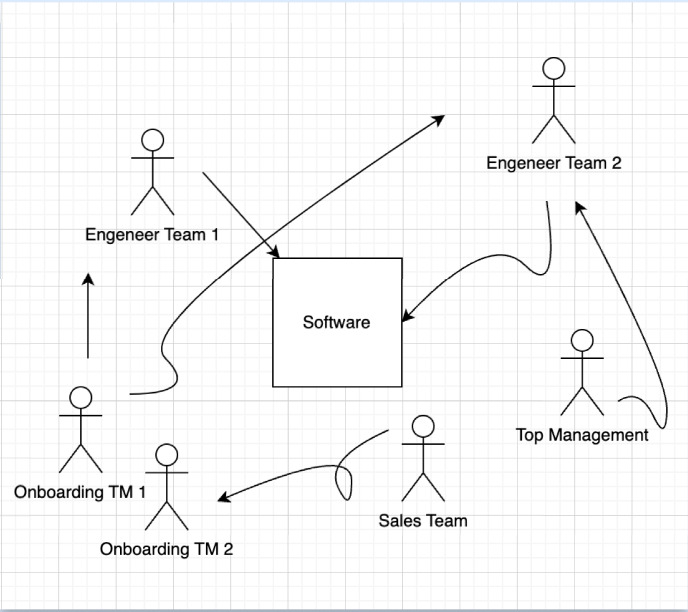
As a result, CSMs were directly transmitting client requests to developers, often bypassing product evaluation.
Technical teams would be pressued and interrupted in their work.Would result unbalancing resource allocation, unprofitable decisions, and the accumulation of significant technical debt across the platform.
I also conducted interviews among clients in order to answer the following questions:
- What are the clients needs?
- Is the product effectively answering their needs?
- What challenges and difficulties are the clients facing?
- How is the clients pool structured?
Room for improvement!
Through this process, I uncovered key challenges such as the high variability of client needs across industries, inconsistent feature behavior, and a lack of unified feedback channels. I also noticed difficulties in prioritizing or escalating clients requests effectively.
This first phase revealed not only the need for better tools and organisation but also for a true product culture — one that aligns business value, customer needs, and technical feasibility.
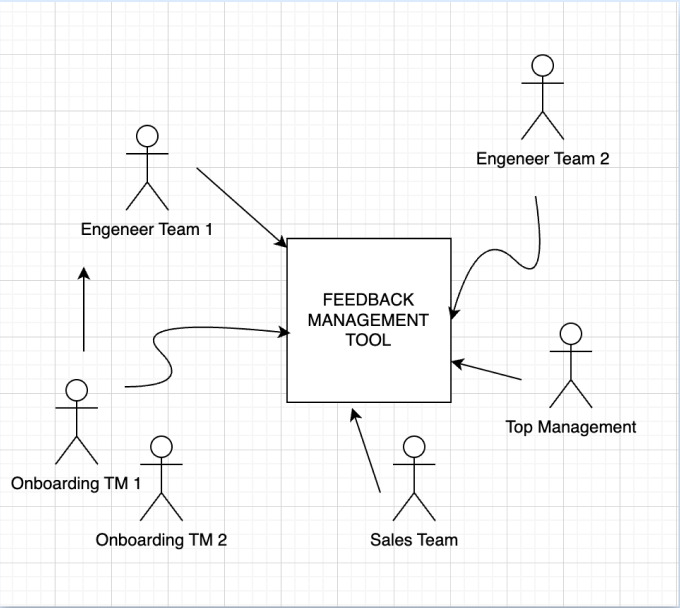
Management tools audit and alignment across entities: moving away from a static Excel file to a dynamic and transparent system
Following this diagnostic phase, I conducted an audit of existing tools and processes with the goal of rationalizing resources across the group’s two entities (following the recent merger and acquisition).
After deep market study and evaluation, I selected Jira Product Discovery, a newly launched and free tool by Atlassian, as the primary platform for product management.
I deployed the tool for Netrivals and later, at the group level, for Lengow.
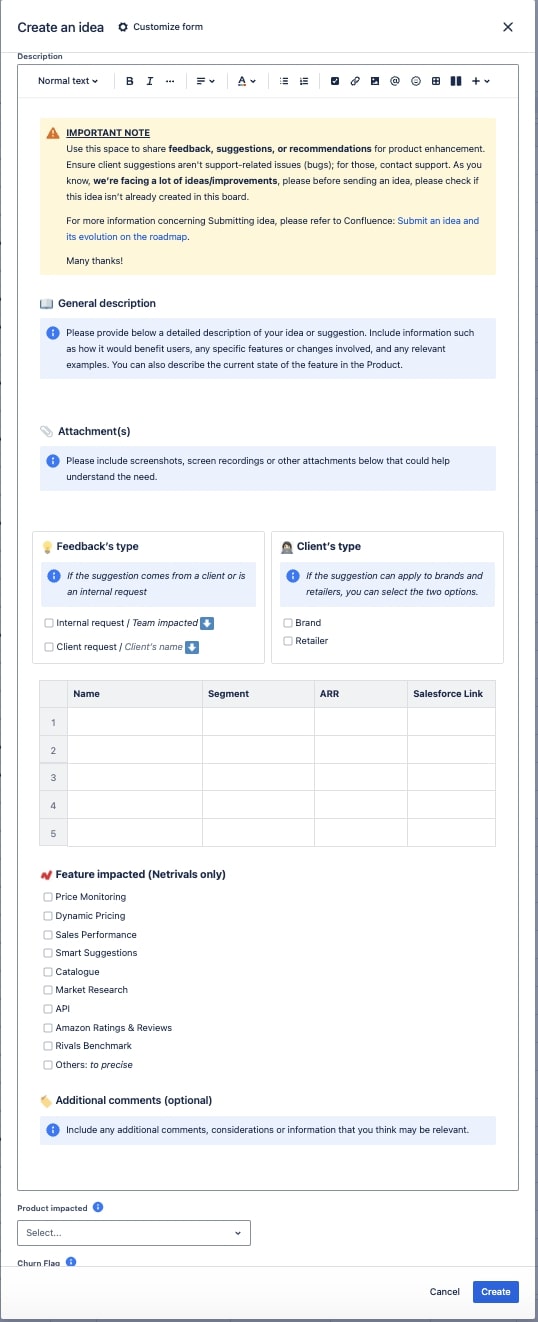
I gathered the existing feedback history within the organization, configured the Jira Product Discovery tool according to the activity’s criteria, integrated the existing feedback, and created an idea submission form so that everyone could share product improvement and development ideas.
The CSMs were briefed on the feedback from their clients and were able to stay informed in real time about the prioritization of topics being addressed as well as their progress.
I designed a structured process for ticket creation, review, documentation and synchronization with the roadmap.
This gave all stakeholders a shared view of ongoing and upcoming projects The implementation of Jira Product Discovery had several advantages:
I designed a form for idea colection based on the organisation and software specificities. Once the roadmap was established, my focus shifted to managing and prioritizing actions. I segmented the roadmap by feature and by client, weighting each according to its economic contribution to the company. To bring rigor and objectivity, I implemented the RICE prioritization method (Reach, Impact, Confidence, Effort). A centralized data hub was created to consolidate quantitative insights and support product strategy and decision-making. Key steps included: To ensure smooth execution, I implemented a structured development process inspired by Agile principles. While the company wasn’t yet fully mature for complete Agile adoption, I introduced key rituals and practices: sprint planning, backlog grooming, retrospectives, and short iteration cycles. This approach improved collaboration, transparency, and adaptability while fostering a sense of ownership among team members. To ensure long-term scalability and knowledge sharing, I created a centralized documentation system using Confluence. Each project or feature had its own technical and functional documentation, making information accessible across the entire organization. This initiative improved alignment, reduced dependency on individuals, and supported onboarding for new team members. I established a clear communication framework to ensure continuous alignment across teams: These regular ceremonies allowed everyone to track progress, anticipate challenges, and maintain strategic alignment between product vision, market needs, and technical execution. This project marked a turning point in the company’s product management approach.
By introducing structure, tools, and a product-centric mindset, I helped transform an organization once driven by technical urgency into one capable of making data-driven, customer-focused, and business-aligned product decisions. Within a few months, the team managed to address 30% more high-priority requests, significantly reduce backlog and duplicate tickets, and, most importantly, establish a genuine business-driven culture within the company. The result was a stronger, more mature, and more scalable product organization — ready to support growth and innovation.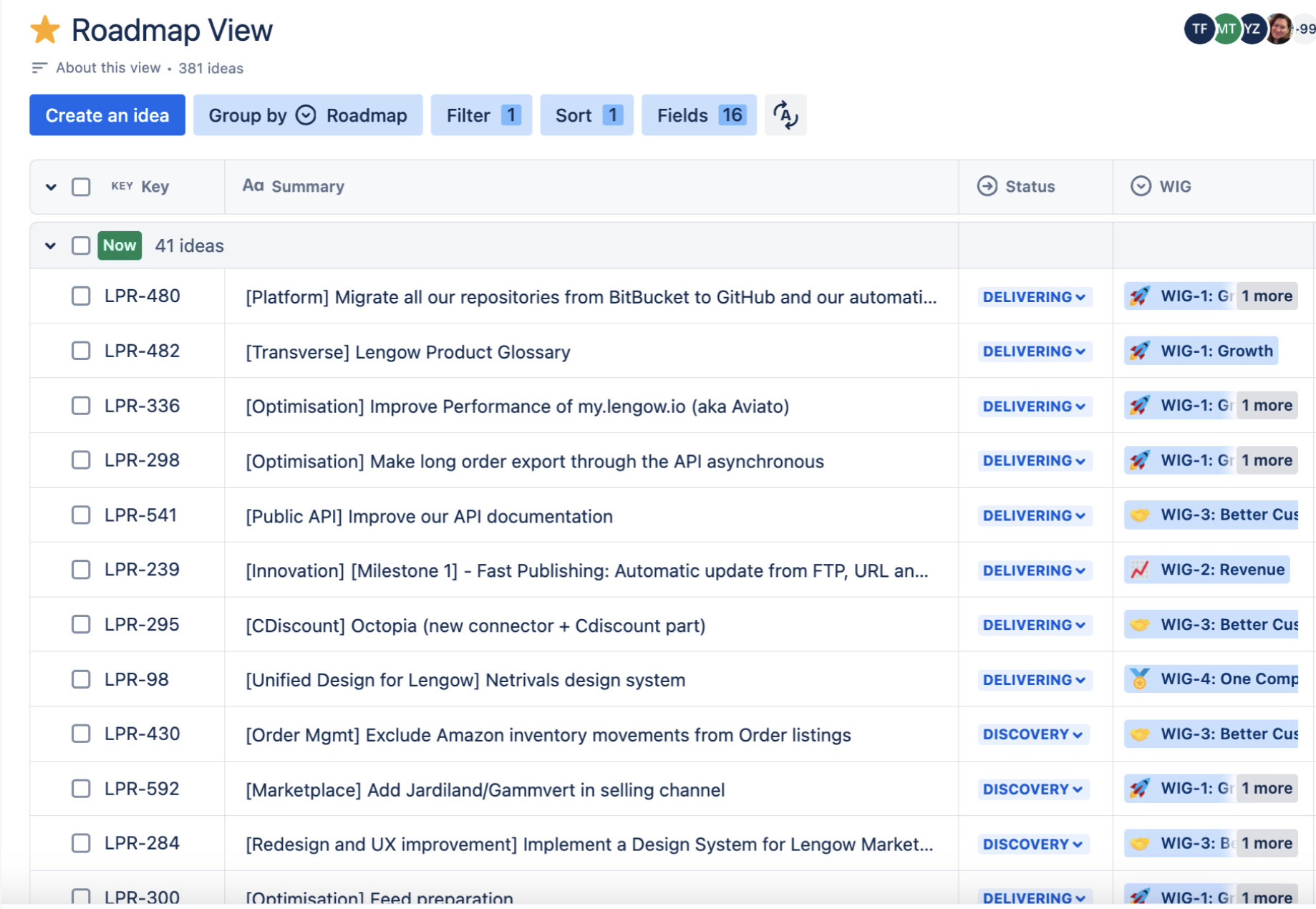
Smooting interactions between teams
Establishing priorities
Data center project management: aggregation of quantitative data to inform product decisions
Implementing a scalable development process (Agile-inspired)
Documentation and knowledge management
Communication and cross-functional alignment
Outcome